Taking Back the Waterfront: The Hudson Valley Communities Reclaiming Their River
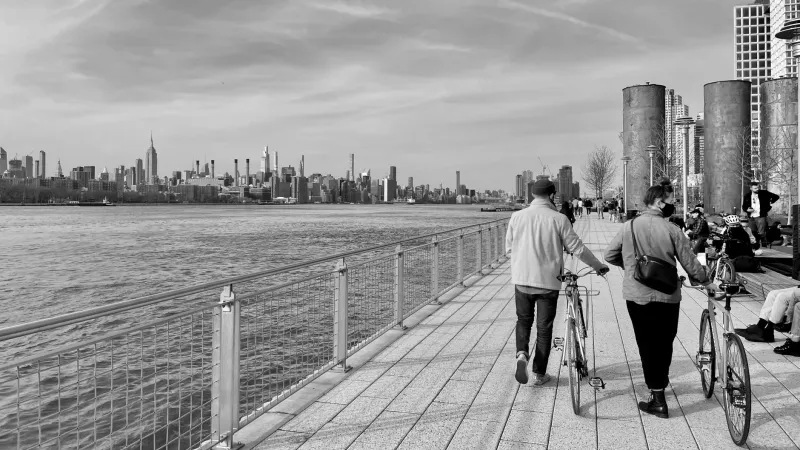
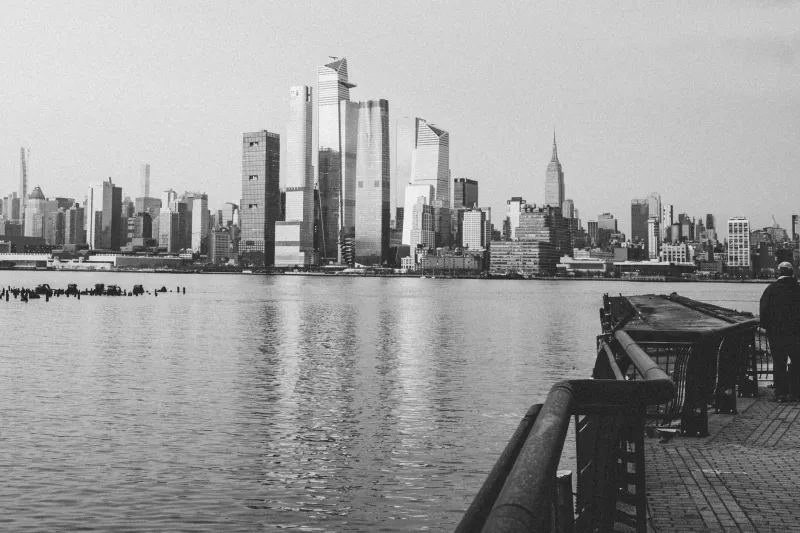
Stand at the edge of almost any Hudson River town and you'll notice something: the river is right there, close enough to see, close enough to smell on a humid August evening — and yet, for a lot of residents, it's always felt strangely out of reach. Fences. Former industrial sites. A crumbling bulkhead with no public path leading to it. The Hudson has been physically present in these communities for generations, but genuinely accessible? That's a more recent development, and it's still very much a work in progress.
What's changed in the last decade is the energy behind fixing that disconnect. Across the Valley — from Yonkers to Hudson — community groups, municipal planners, and everyday residents have been pushing hard to reclaim the waterfront as a shared public resource. The results are starting to show.
The Industrial Hangover
To understand why so many Hudson River communities lost access to their own waterfront, you have to understand what the river was used for throughout most of the 20th century. Brick factories, rail yards, oil terminals, cement plants — the Hudson's shoreline was industrial real estate, full stop. It generated jobs and tax revenue, but it also created a physical and psychological wall between towns and their water.
When those industries declined, they didn't exactly leave clean slates behind. They left contaminated soil, crumbling infrastructure, and complicated ownership questions that took years — sometimes decades — to untangle. In many places, that untangling is still happening. But in others, the hard work is done, and what's emerging in its place is genuinely exciting.
Yonkers: A Waterfront Reborn
Yonkers is probably the most dramatic example of Hudson River waterfront transformation in the region. The city's waterfront sat largely dormant for years after the decline of its industrial base, a stretch of under-used land that separated a dense urban population from one of the most iconic rivers in America.
The turnaround has been significant. The Yonkers waterfront today features a developing mix of public green space, fishing access, and pedestrian-friendly design that's actively drawing residents back to the river. The ongoing development of Lionsgate Park and the expansion of public esplanade space have created real gathering points — places where families show up on weekends, where kids fish off a pier for the first time, where the river becomes something personal rather than something abstract.
Local community organizations have been instrumental in keeping public access a priority as development pressure mounts. "The temptation is always to build right up to the water's edge and call it done," one community advocate told us. "We've had to fight to make sure there's always a way for a regular person — not a restaurant customer, not a hotel guest — to just walk up and stand next to the river."
Beacon: Small City, Big Vision
Beacon has become something of a model for how a smaller Hudson Valley city can rebuild its relationship with the river without losing its community character in the process. The Beacon Waterfront Park — developed in phases over several years — now offers fishing access, a kayak launch, open lawn space, and programming that ranges from outdoor movie nights to environmental education events.
What makes Beacon's approach notable is the intentionality behind it. City planners and community groups worked together to ensure the waterfront serves a broad cross-section of residents, not just visitors drawn by the city's arts scene. Free fishing clinics, youth programming in partnership with local schools, and seasonal events anchored in Hudson River culture have helped make the waterfront feel like it belongs to the whole community.
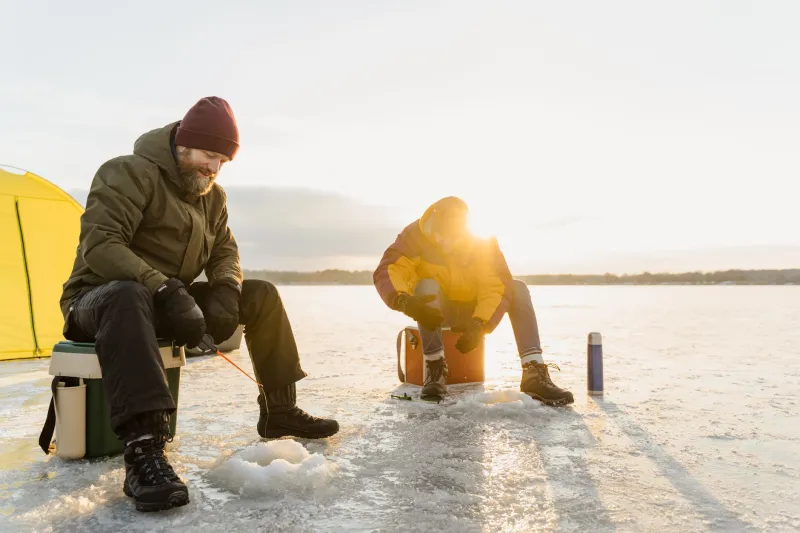
Fishermen in particular have benefited from improved access. The public pier at Beacon has become a reliable spot for catching striped bass, catfish, and American shad during the spring run — and it's free, open to the public, and well-maintained.
Grassroots Muscle: The Organizations Doing the Heavy Lifting
Municipal projects don't happen in a vacuum, and across the Hudson Valley, it's often community organizations that provide the sustained pressure and creative energy that turns a waterfront plan into a waterfront reality.
Groups like Riverkeeper have long been central to holding polluters accountable and advocating for public access as a legal and moral right. Their work on water quality — which has helped make the Hudson dramatically cleaner over the past 40 years — is directly connected to the waterfront access conversation. A cleaner river is one that communities actually want to access.
Smaller, hyper-local organizations are doing equally important work. In cities like Newburgh and Kingston, community land trusts and neighborhood associations have been pushing for waterfront improvements that serve existing residents rather than catering exclusively to newcomers and tourism interests. The tension between revitalization and displacement is real in these conversations, and the best organizations are holding both goals in mind simultaneously.
"We want people to come to the river," one Kingston-based organizer explained. "We want the waterfront to be beautiful and accessible. But we also want the people who've lived here for 30 years to still be able to afford to live here and enjoy it. Those aren't opposing goals, but you have to be intentional about it."
What Good Access Actually Looks Like
For the anglers, hikers, kayakers, and casual walkers who make up the core Hudson River community, "waterfront access" means something specific and practical. It means parking that doesn't cost $20. It means a fishing pier with enough room to actually cast. It means a trail that connects to other trails. It means bathrooms that work.
Some communities are getting this right. The Hudson River Skywalk project — linking Catskill and Hudson via the Rip Van Winkle Bridge — is a compelling example of recreational infrastructure that creates genuine, lasting access for residents and visitors alike. The trail network that's developed around it has made the river a destination for hikers in a way that wasn't possible before.
Others are still working through the details. But the momentum is real, and the direction is right.
A River That Belongs to Everyone
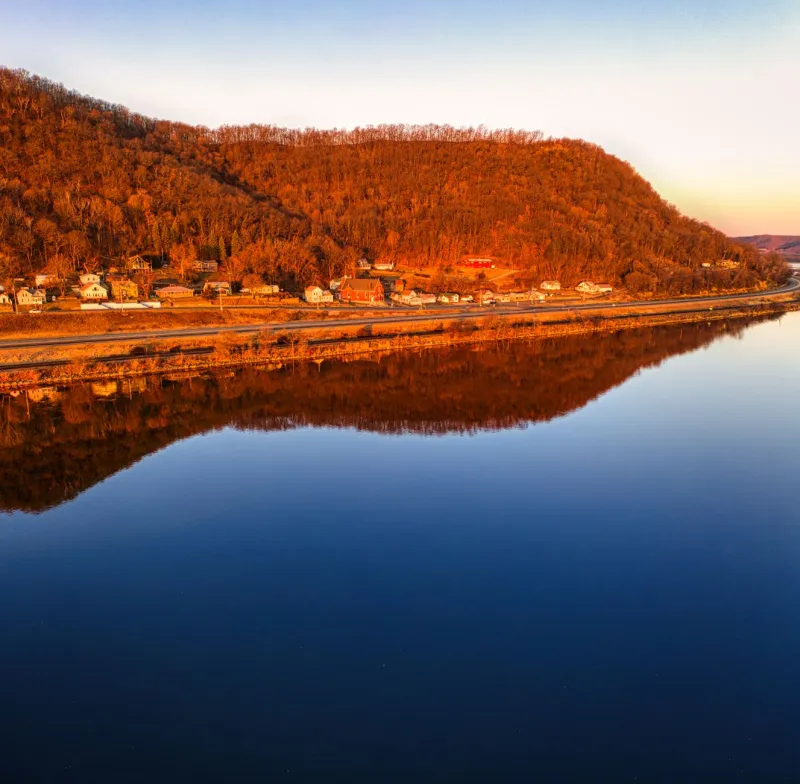
There's something meaningful about the idea that the Hudson River — this enormous, historic, sometimes troubled, always beautiful body of water — should be accessible to everyone who lives alongside it. Not just to those who can afford a boat slip or a waterfront restaurant table. To the kid who wants to drop a line off a pier. To the family that wants to watch the sun go down over the Catskills. To the retiree who just wants to sit by the water and listen.
The communities that are getting this right aren't doing anything revolutionary. They're just remembering something that should have been obvious all along: the river belongs to all of us. And they're building the paths, piers, and parks to prove it.