Reel to Table: The Hudson Valley Chefs Turning a Cleaner River Into Seriously Good Food
Ask a chef where they want to cook, and a surprising number of them these days will tell you: somewhere with a good farmers market, a reliable forager, and ideally, a fisherman they can call on a Tuesday morning to find out what came in. The Hudson Valley has all three — and then some.
The region's food scene has been building quietly for years, but something has shifted recently. As the Hudson River has gotten cleaner and the local fishing industry has started to recover, a handful of chefs have started doing something that would have seemed almost absurd a generation ago: building serious restaurant menus around what's actually coming out of the river and the surrounding land. Not as a novelty. As a philosophy.
The River Is the Menu
Let's start with the fish, because that's where the story gets interesting.
For much of the 20th century, the Hudson was effectively off the table — contaminated by PCBs and decades of industrial discharge, its fish either inedible or carrying advisories that made most people steer clear entirely. The cleanup has been long, expensive, and contentious, but the results are real. Striped bass, shad, perch, catfish, and blue crab have all made meaningful comebacks, and while consumption advisories still exist for certain species and populations, the conversation around Hudson River fish has changed dramatically.
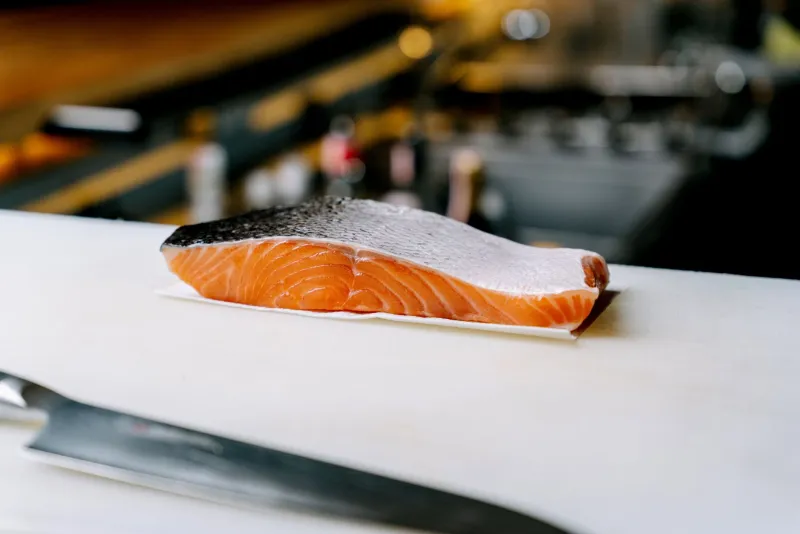
Chefs have noticed. In towns like Hudson, Kingston, Catskill, and Rhinebeck, you'll now find restaurants that actively source from local commercial fishermen — not just as a seasonal special, but as a core part of what they do. The fish on the plate might have been in the river that morning. That's not marketing copy. That's just logistics.
One approach that's become increasingly common: chefs working directly with commercial fishermen to take what's available rather than dictating what they need. It's a model that requires flexibility — you might not know until Wednesday what's going to anchor Thursday's dinner service — but it produces food that has a specificity and freshness that's genuinely hard to fake.
Hudson as a Hub
The city of Hudson, about two hours north of Manhattan, has become something of a focal point for this movement. Its restaurant scene has exploded over the past decade, drawing chefs who wanted to escape New York City's overhead costs and work closer to their ingredients. The result is a small city with a dining scene that punches well above its weight.
What you'll find there — and increasingly in the smaller towns around it — is a kind of cooking that reflects the landscape. River fish prepared simply, with good technique and local accompaniments. Vegetables from farms in the surrounding valley. Herbs foraged from the hillsides. It's not precious or fussy. It's honest food that tastes like where it came from.
Some spots lean into the river identity explicitly, with menus that read almost like a field guide to what's in season locally. Others are more subtle about it — the sourcing is there, but the vibe is relaxed, the food unpretentious. Either way, you're tasting a place, not just a plate.
The Sustainability Piece
It would be easy to roll your eyes at the farm-to-table framing — it's been a buzzword long enough that it's started to lose meaning in some contexts. But in the Hudson Valley, the sustainability angle is genuinely tied to something real: the ongoing health of the river itself.
Chefs who source from local fishermen have a direct financial interest in keeping those fisheries viable. When a restaurant builds its reputation around Hudson River shad or locally caught striped bass, it has skin in the game when it comes to water quality, fishing regulations, and habitat protection. Several chefs in the region have become vocal advocates for conservation issues — showing up at public hearings, partnering with groups like Riverkeeper, and using their platforms to talk about why the river's health matters beyond just the recreational angle.
It's a feedback loop that's worth understanding: a cleaner river produces better fish, better fish draws better chefs, better chefs create demand for sustainable sourcing, and that demand creates economic incentives to keep the river clean. None of it is guaranteed, but the direction of travel is encouraging.
Beyond Fish: The Broader Table
The river-to-restaurant story doesn't stop at seafood. The Hudson Valley is one of the most productive agricultural regions in the Northeast, and the farms that line the valley floor are increasingly finding their way onto restaurant menus in ways that feel deliberate rather than decorative.
This means heritage breed pork from small farms outside Kingston. It means apple varieties you've never heard of turned into ciders that pair surprisingly well with river fish. It means wild ramps in spring, chanterelles in summer, and squash in about forty varieties come fall. Chefs here talk about their suppliers the way sports fans talk about their teams — with loyalty, specificity, and a lot of opinions.
For visitors, this creates a kind of culinary tourism that's genuinely rewarding. A weekend in the Hudson Valley can be organized around eating in a way that few other regions in the US can match at this price point. You're not paying Manhattan prices, but you're often getting food that's sourced with more care and cooked with more regional identity than you'd find at a comparable Manhattan restaurant.
How to Find It
If you're planning a trip with food in mind, a few practical notes:
The season matters more here than in most places. Spring shad runs, summer crab, fall harvest — the menus shift meaningfully, and what's available in April is genuinely different from what you'll find in October. Going in with flexibility and a willingness to eat what's good right now will serve you better than arriving with a specific dish in mind.
Farmer's markets are worth building into the itinerary. The Hudson Farmers Market, the Rhinebeck Farmers Market, and the Kingston Farmers Market are all strong, and they give you a window into what the chefs are working with — and occasionally, who they're buying from.
And honestly? Talk to the people behind the counter. The best meals we've had in the valley have come from asking a simple question: what came in today? The answer is usually interesting. Sometimes it's the best thing on the menu.
The Hudson River's revival is one of the great environmental comeback stories of the past fifty years. The fact that it's now feeding some genuinely excellent restaurants feels like a fitting — and delicious — next chapter.