Skip the Highway, Take the River: How Water Ferries Are Turning the Daily Commute Into Something Worth Waking Up For
Maria Delgado used to spend the first hour of every workday gripping a steering wheel and staring at brake lights somewhere on the Palisades Interstate Parkway. Now she grips a coffee cup and watches the sun come up over the Catskills from the open deck of a Hudson River ferry. "Honestly, I get to the office in a better mood than I've been in years," she says, laughing. "My coworkers noticed before I did."
Maria is part of a quietly growing movement along the Hudson Valley — commuters, day-trippers, and everyday travelers who are ditching congested highways in favor of water routes that have existed in one form or another since the Dutch first started trading beaver pelts up and down this river four centuries ago. The difference today is that modern ferries are faster, more frequent, and more comfortable than anything Henry Hudson could have imagined. And for a lot of people, they're genuinely changing the math on where to live and how to get to work.
A Network That's Actually Growing
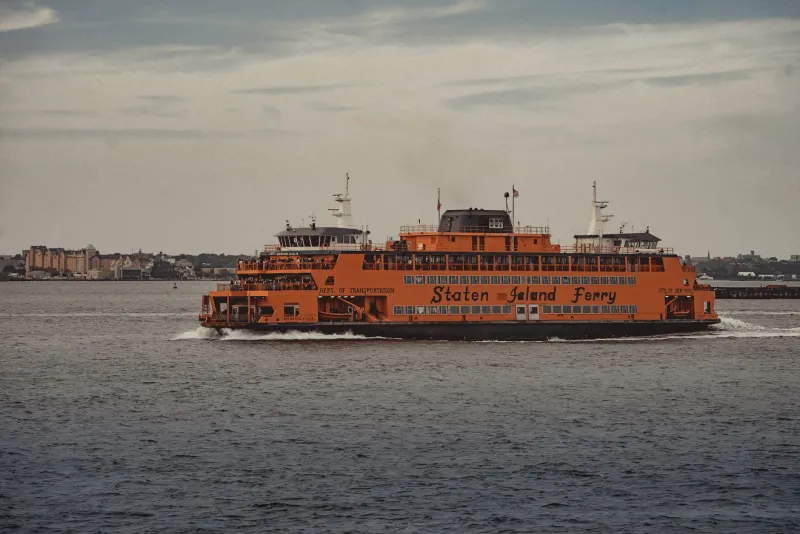
The expansion of water-based transit along the Hudson didn't happen overnight. NYC Ferry, which launched in 2017, has steadily extended its reach and ridership, with routes connecting points in the Bronx and Brooklyn to Midtown Manhattan. But the more interesting story is happening further up the river, where regional operators and local municipalities are experimenting with cross-Hudson and upriver connections that go well beyond the five boroughs.
Newburgh Landing has become something of a poster child for this shift. The city's waterfront, once a crumbling reminder of post-industrial decline, now sees regular passenger ferry service connecting it to Beacon across the river — a short hop that eliminates a 20-minute drive over the Newburgh-Beacon Bridge during peak traffic. It sounds minor. But talk to the people who use it daily and you start to understand how much those saved minutes — and that particular view of Storm King Mountain from the water — actually matter.
"There's something about being on the river that resets you," says Tom Kearney, who operates a small water taxi service out of Kingston. "I've had passengers tell me they started taking the ferry just to save time, and now they take it because they don't want to give up the ride."
The People Who Run These Routes
Running a ferry operation on the Hudson is not glamorous work. It's early mornings, shifting tides, maintenance headaches, and weather that doesn't care about your schedule. Tom has been at it for six years, and he'll tell you the margin for error — and profit — is thin. But he keeps at it because he believes in what it does for the communities on both sides of his route.
"When I started, I had maybe a dozen regular riders," he says. "Now I've got people who've moved to Kingston specifically because they can get to the train station in Rhinecliff without fighting Route 9W." That kind of behavioral shift — choosing where to live based on water access — is exactly what urban planners have been hoping to encourage for years.
Sarah Okonkwo, a transportation planner with a regional Hudson Valley advocacy group, says ferry and water taxi services are starting to show up in serious conversations about regional transit infrastructure. "For a long time, water transit was seen as a tourist amenity — something you do on a weekend to take a scenic cruise," she explains. "That perception is shifting. We're seeing real commuter demand, and that changes how municipalities think about waterfront investment."
What It Actually Feels Like
Here's the thing nobody puts in the transit authority press releases: riding a ferry on the Hudson is genuinely, unexpectedly pleasant. Even on a gray Tuesday in November.
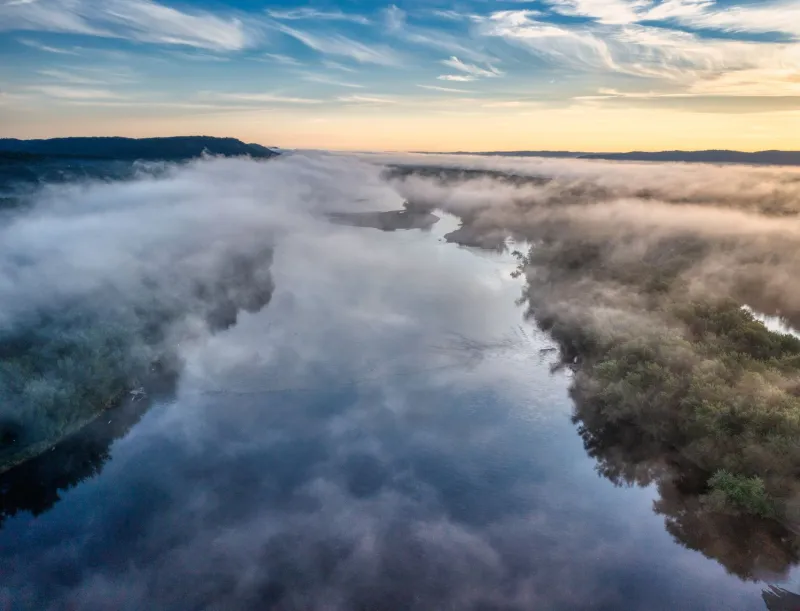
There's no cell service for stretches of the crossing, which sounds like a problem until you realize it forces you to just... look at the river. Herons standing motionless in the shallows. Container ships moving with slow, impossible grace. The way the light hits the Highlands in the morning and makes everything look like a Thomas Cole painting you stumbled into by accident.
"I call it my decompression chamber," says regular rider James Whitfield, who commutes from Beacon to a job in Poughkeepsie three days a week. "Twenty minutes each way where nobody can reach me and I have nothing to do but watch the water. I didn't know I needed that until I had it."
For anglers and outdoor enthusiasts — the crowd that calls this site home — there's an added layer to all of this. The ferry routes cross over some of the Hudson's best striped bass and shad territory. More than one commuter has admitted to staring over the railing at a promising rip or eddy and mentally filing it away for the weekend. The river as commute and the river as playground are, it turns out, the same river.
The Challenges That Remain
It would be dishonest to paint this as a solved problem. Water transit on the Hudson faces real obstacles: seasonal service gaps, limited dock infrastructure at smaller landings, and the fundamental challenge of building ridership in a region where car culture runs deep. Funding is perpetually uncertain, and several promising routes have launched with fanfare only to quietly disappear when grant money dried up.
Sarah Okonkwo is candid about this. "The Hudson Valley is not Manhattan. You can't run ferries every fifteen minutes between every river town and make the economics work," she says. "What you can do is identify the corridors where demand is real and consistent, invest in those, and build from there."
Tom Kearney agrees, though he's more optimistic about the long-term trajectory. "Every year I get a few more regulars. Every year a few more people figure out the river is right there and they've been driving past it their whole lives." He pauses. "Once they get on the water, they don't want to go back to the highway."
A Different Relationship With the River
Maybe that's the real story here — not the transit policy or the traffic statistics, but the way a regular ferry ride quietly changes how people think about the Hudson. It stops being background scenery and starts being something you move through, depend on, and pay attention to.
Maria Delgado, the former highway commuter, puts it simply: "I know what the river looks like at 7 in the morning in every season now. I know when the ice starts to break up in February. I know when the shad are running because I can see the boats out there." She smiles. "I've lived twenty minutes from this river my whole life and I never actually knew it until I started crossing it every day."
That, right there, is exactly what this river has always been capable of doing to people — if they'd just slow down long enough to let it.