What's Really Under There: The Pipes, Cables, and Tunnels Running Beneath Every Cast You Make
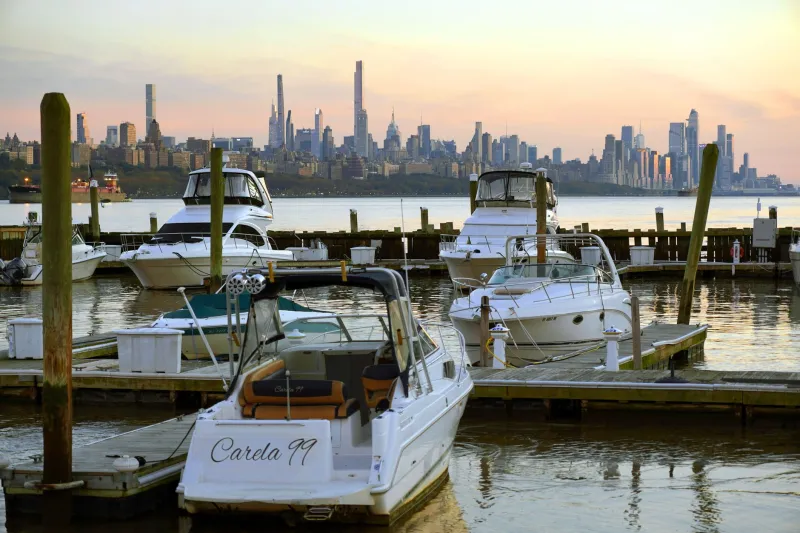
You drop your line into the Hudson, watch the current pull your bobber downstream, and think: water. Just water. Maybe some stripers. Maybe a snag you can't quite explain.
That snag, though? There's a decent chance it's not a rock.
Beneath the Hudson River lies one of the most layered and quietly complex infrastructure corridors in the entire country. Water mains. High-voltage power cables. Fiber optic bundles carrying internet traffic for millions of people. Natural gas lines. And yes — actual subway tunnels, cut-and-cover trenches, and rail passages that have been threading under this river for over a hundred years. The Hudson you're fishing on is, in a very real sense, a roof.
A River With a Day Job
Most people who love the Hudson think about what's in it — fish, history, maybe some lingering anxiety about PCBs — not what's under it. But infrastructure engineers, commercial divers, and utility managers think about almost nothing else.
"People have this idea that rivers are natural features and everything else is separate," says one infrastructure project manager who has worked on several Hudson River cable crossings over the past two decades. "But the Hudson has been a utility corridor since before most of the cities on its banks had running water. It's never been just a river."
The crossings started early. By the late 1800s, pipes were already threading under the riverbed to connect growing communities on both banks. The 20th century layered on electrical transmission lines, telephone cables, and eventually the fiber optic infrastructure that now carries a significant chunk of the Northeast's data traffic. Today, utilities cross the Hudson at dozens of points between the Battery and Troy — some of them mapped meticulously, some of them documented only in aging paper records, and a few of them discovered almost by accident.
What Divers Actually Find Down There
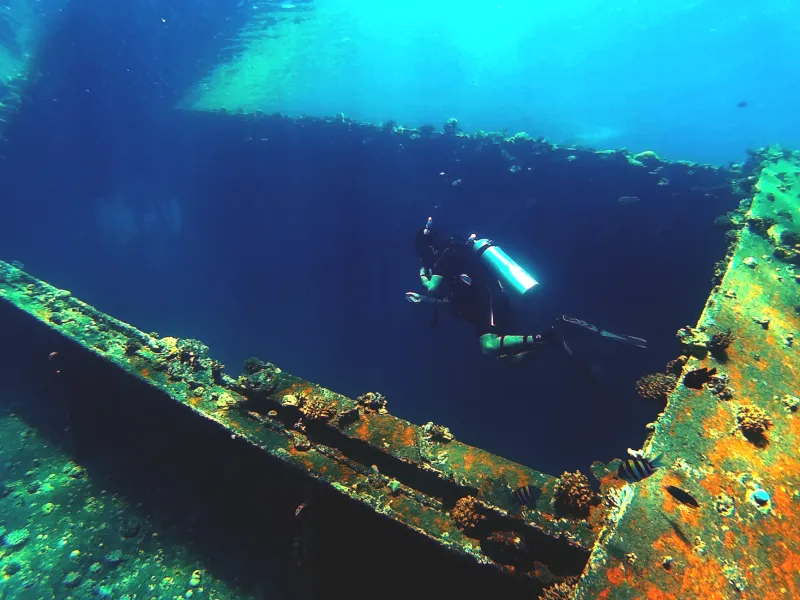
Commercial divers who work the Hudson will tell you the riverbed is a lot more crowded than anyone above the surface realizes. Visibility in the Hudson is notoriously poor — sometimes measured in inches rather than feet — which means a lot of what's down there only becomes apparent when someone swims into it.
One diver who has worked inspection and recovery jobs on the Hudson for over fifteen years described pulling himself along a pipeline survey route and suddenly finding himself next to a second pipe that wasn't on any of the drawings he'd been given. "It happened more than once," he said. "You'd be working a job, following your line, and you'd come across something that nobody had told you about. Old cast iron. Old wood stave pipe. Sometimes you couldn't even tell what era it was from."
Construction crews doing riverbed work have turned up similar surprises — telegraph cables from the 19th century, anchor chains of indeterminate age, and in at least one documented case near the Poughkeepsie area, sections of wooden infrastructure that may have predated the Civil War.
None of this is dangerous in any dramatic sense. But it shapes the physical character of the riverbed in ways that ripple upward to the surface.
Why Anglers Actually Care
Here's where it gets relevant if you're the kind of person who shows up at the river with a rod before sunrise.
Submerged infrastructure creates structure. And structure, as any serious freshwater or saltwater angler knows, is where fish live. Cables and pipelines that cross the riverbed at angles to the current create subtle disruptions in water flow. Those disruptions collect sediment. That sediment attracts invertebrates. Those invertebrates attract baitfish. And baitfish attract the striped bass, perch, and catfish you're actually after.
Some of the Hudson's most reliably productive fishing spots — places that get passed down between anglers like family recipes — are productive precisely because of what's on or just above the riverbed. Not every hotspot has an obvious explanation, and "there's probably a pipe down there" is less romantic than "the fish just like this stretch," but the two explanations aren't mutually exclusive.
The flip side is that some infrastructure creates genuine hazards for anyone anchoring or dragging gear. High-voltage transmission cables are buried, but not always as deep as you'd hope, and erosion changes things over time. Most utility operators post notice buoys or mark crossing zones on navigational charts, but not all of them are perfectly maintained. The Army Corps of Engineers and NOAA's nautical charts are your best reference if you're anchoring in an unfamiliar stretch — it's worth a look before you throw the hook over.
The Tunnels You're Floating Over
The most dramatic pieces of the Hudson's underground infrastructure aren't pipes at all. They're tunnels.
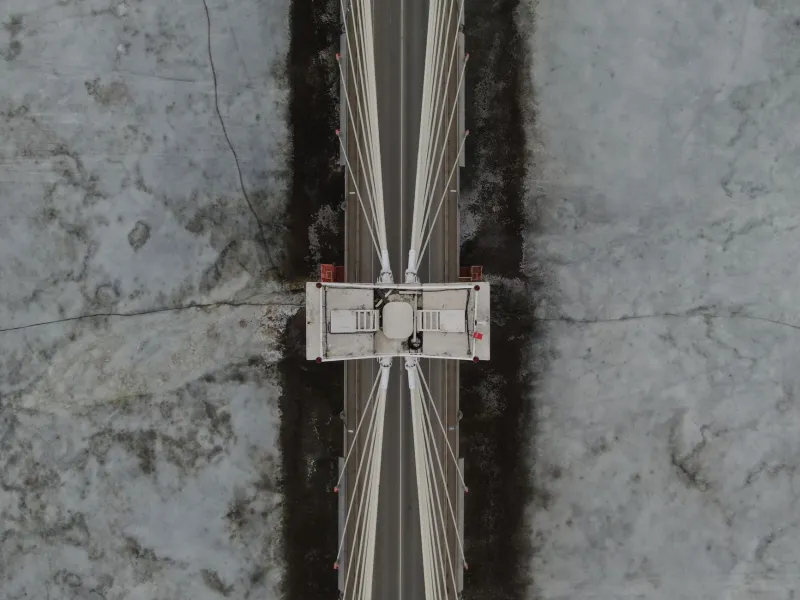
Amtrak's Empire Tunnel, which carries passenger rail traffic under the river between Manhattan and New Jersey, is probably the most famous. But there are others — PATH train tunnels, the old Hudson and Manhattan Railroad tubes, and various vehicular crossings — that collectively mean there are moments when you're paddling or fishing directly above active transit infrastructure moving people at speed, just a few dozen feet below the waterline.
It's a genuinely strange thing to sit with. You're in a kayak. It's quiet. There are cormorants on a buoy thirty yards away. And directly beneath you, a commuter train is doing sixty miles an hour.
"That's the Hudson," one longtime kayak guide put it. "It's always been this place where the natural world and the built world are completely tangled up together. That's not a flaw. That's kind of the whole story."
The Access Angle
Infrastructure also shapes where you can and can't get to the river in the first place. Utility easements along the riverbanks have historically been a patchwork of public and private access, and the location of major crossing points has influenced where industrial development concentrated — which in turn influenced where public waterfront access got squeezed out for generations.
Some of that is slowly reversing. Remediation projects and utility upgrades along the river have, in several cases, opened up previously inaccessible stretches of bank as part of negotiated agreements with regulators. A few former industrial parcels near pipeline corridors have been converted into fishing access points or paddling launches — the infrastructure that once made the waterfront off-limits effectively funding the cleanup that brought the public back.
It's not a perfect story. But it's a more complicated one than most people standing at the water's edge ever think about.
The River Beneath the River
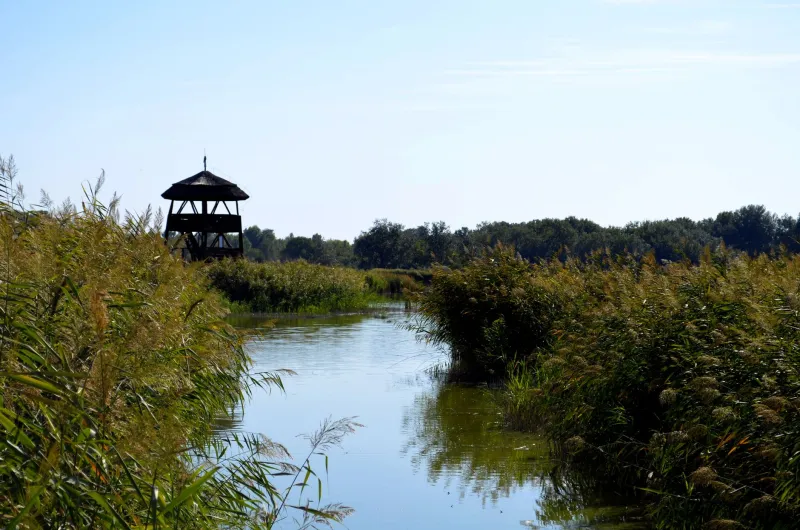
Next time you're out on the Hudson — anchored up waiting for the tide to turn, drifting a shad rig through a current seam, or just floating along in a kayak watching the Catskills do their thing — take a second to think about what's underneath you.
Not in an anxious way. More in a "this river has been doing serious work for a very long time" kind of way.
The Hudson has been a transportation corridor, a power conduit, a data highway, and a drinking water source, all while somehow remaining a place where you can watch eagles and catch fish and feel like you've gotten away from something. That's a lot to ask of one river. And so far, it's delivering.