Casting Lines and Breaking Barriers: The Programs Turning City Kids Into River Kids
Marcos was eleven years old the first time he touched the Hudson River. Not looked at it, not walked past it — actually touched it. Dipped his hands in, felt the current pull against his fingers, and looked up at his program instructor with something between shock and delight.
"He kept saying, 'It's real,'" laughs Deja Williams, a youth coordinator with a Yonkers-based river education nonprofit. "Like he needed to confirm it wasn't a movie set. That's how disconnected some of these kids are from the water that's literally in their backyard."
That disconnect — between the Hudson River and the communities that live closest to it — is exactly what a growing network of grassroots programs, city-funded initiatives, and scrappy nonprofits is working to close. And from Newburgh to the Bronx waterfront, the results are starting to show.
The Access Gap Nobody Talks About
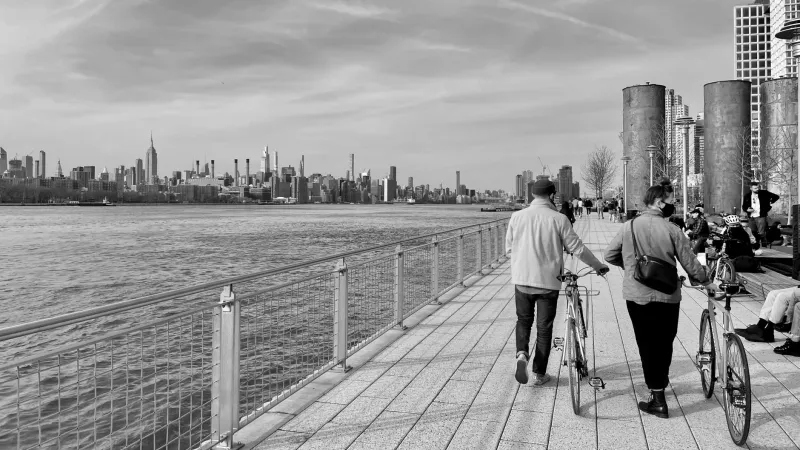
Here's a frustrating truth: some of the most economically disadvantaged neighborhoods in the Hudson Valley sit within walking distance of the river. But physical proximity doesn't equal access. Crumbling or nonexistent waterfront infrastructure, a lack of transportation, cultural unfamiliarity with outdoor recreation, and the very real cost of gear have long kept the Hudson a playground for those with resources — and a distant backdrop for everyone else.
That's starting to shift, partly because of public access improvements along the waterfront, but more importantly because people are showing up with kayaks, fishing rods, and a genuine commitment to meeting kids where they are.
"We don't wait for families to come to the river," says Raymond Osei, founder of a Hudson Valley youth outdoors collective that operates out of three counties. "We go into the schools, we go to the community centers, we do presentations in apartment building lobbies if we have to. Then we say, 'Okay, now come see it for real.'"
On the Water, Everything Changes
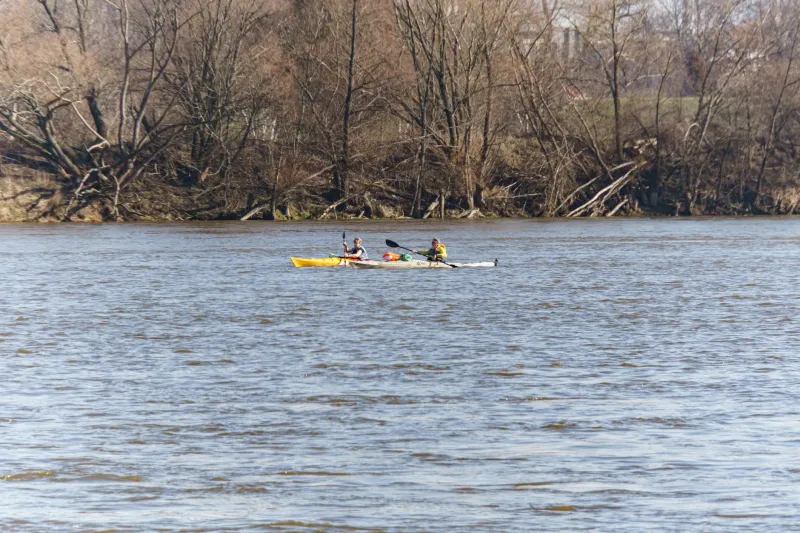
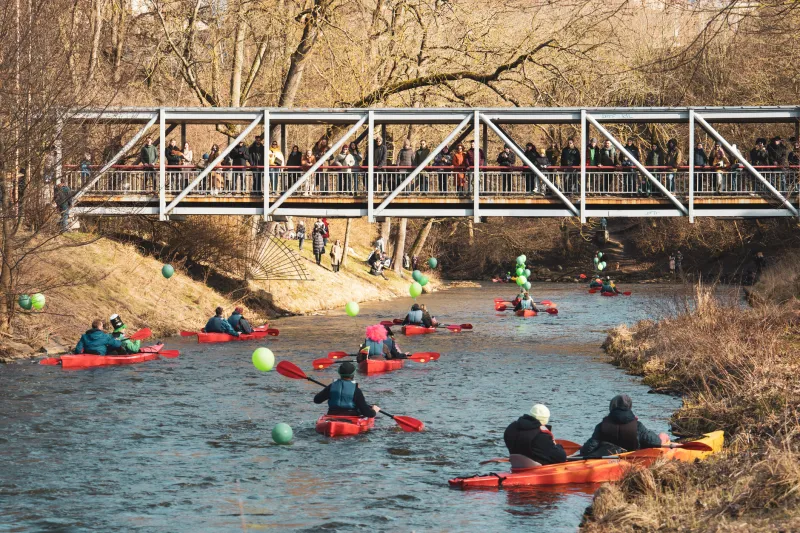
There's a particular kind of magic that happens the moment a kid who's never been in a kayak finally gets their paddle in the water. Instructors across these programs describe it the same way: the nervousness, the wobble, and then — within minutes — pure focus. The river demands your full attention, and for a lot of young people, that's actually a relief.
Sophia, 14, from Poughkeepsie, joined a summer river program two years ago mostly because her older cousin did it and she didn't want to be left out. Now she's a junior volunteer who helps lead orientation sessions for new kids.
"When I'm out there, I'm not thinking about anything else," she says. "School, drama, whatever — it just goes away. It's just you and the water."
That psychological dimension isn't lost on the adults running these programs. Several have intentionally partnered with school counselors and mental health advocates, positioning river access not just as environmental education but as a genuine wellness resource for young people navigating high-stress urban environments.
Fishing as a Gateway
Kayaking gets a lot of attention, but fishing might be the quieter superpower of youth river engagement. It's accessible, it's cheap to get started, and it creates a reason to keep coming back.
Programs that incorporate fishing report something interesting: kids who show up skeptical and distracted tend to become intensely focused once there's a line in the water. There's something about the waiting — the patience it requires — that creates space for conversation, for connection, for the kind of slow observation that builds genuine environmental awareness.
"You start talking about what's on the end of the hook, and suddenly you're talking about water quality, about what fish eat, about why the river looks different than it did twenty years ago," says Marcus Tillman, a fishing educator who volunteers with a Bronx-based waterfront program. "It's the best environmental science classroom I've ever been in, and it has no walls."
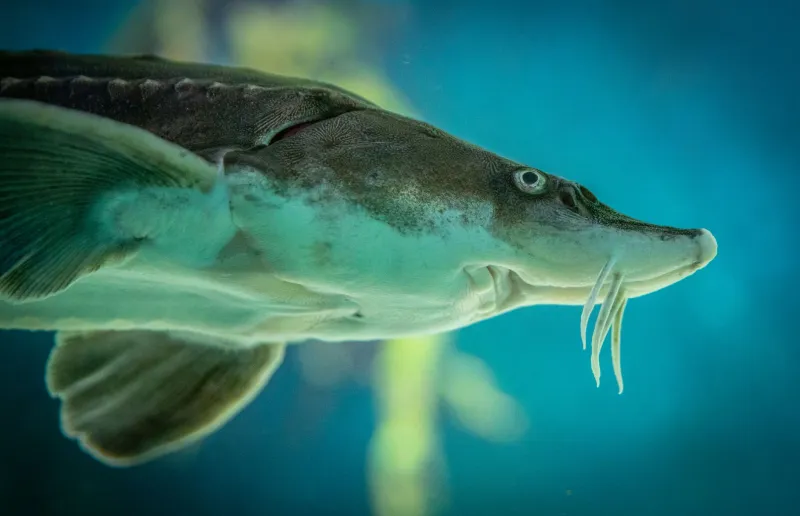
Striped bass, catfish, perch — catching something real, something alive, something that actually lives in this river creates a relationship that no classroom lesson fully replicates. Kids who've caught their first fish in the Hudson tend to develop a personal stake in keeping it healthy. That's not an accident. It's the whole point.
Breaking It Down, Building It Up
The barriers these programs navigate aren't just logistical. There are cultural ones too. Outdoor recreation in America has a complicated history, and for many Black, Latino, and immigrant families, spaces like rivers and parks haven't always felt welcoming — because, historically, they often weren't.
Program leaders are thoughtful about this. Representation matters. Seeing instructors and role models who look like you, who grew up in similar neighborhoods, who understand the specific texture of your daily life — that changes the calculus around whether a place feels like it's for you.
"When I show up in my community to talk about the river, I'm not some outsider telling people what they should care about," says Williams. "I grew up here. I know what it took for me to feel like I belonged on that water. And I want these kids to get there faster than I did."
Parental buy-in is another piece. Many families are cautious — understandably so — about water safety, especially in communities where swimming and water recreation weren't part of the cultural fabric growing up. Programs that invest in family education sessions, that invite parents to watch or even participate, tend to see stronger long-term engagement from kids.
The Long Game
What does success look like for these initiatives? In the short term, it's a kid who comes back for a second session. In the medium term, it's a teenager who becomes a junior instructor. In the long term — and this is where it gets genuinely exciting — it's a generation of Hudson Valley residents who feel a deep, personal connection to the river and the political will to protect it.
Conservation doesn't happen in a vacuum. It happens when enough people care. And right now, the people working hardest to build that caring are doing it one kid at a time, one paddle stroke at a time, one fish at a time.
Marcos, by the way, is thirteen now. He's been back to the river more times than he can count. Last summer, he helped a seven-year-old cast her first line.
"I told her what my instructor told me," he says. "Just watch the water. The river will do the rest."
Hard to argue with that.