Dirty Water to Open Water: The Hudson River's Long Road Back and What It Means for You
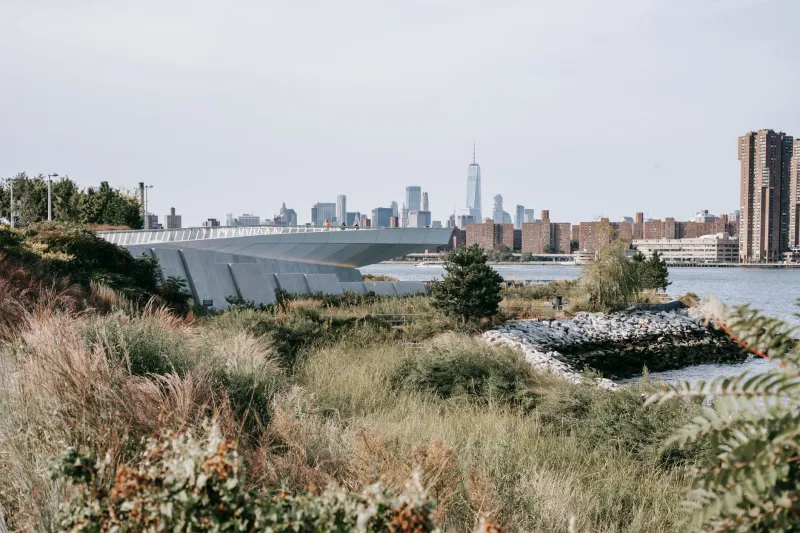
Not that long ago, the idea of paddleboarding the Hudson or swimming in its shallows would have earned you some serious side-eye. The river that runs 315 miles from the Adirondacks to New York Harbor had a reputation — and not a flattering one. Industrial discharge, raw sewage, and a toxic chemical legacy had turned one of America's most iconic waterways into a cautionary tale. But the Hudson has a stubborn streak. And so do the people who love it.
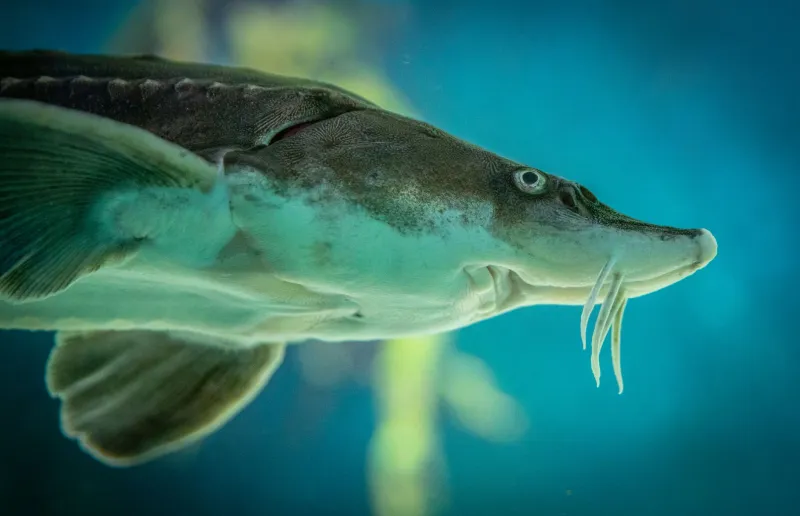
Today, the river looks — and in many stretches, genuinely is — a whole lot different. Striped bass are back in force. Kayakers outnumber tugboats on weekend mornings. Kids are splashing around in spots their grandparents would have avoided on a dare. It didn't happen overnight, and it didn't happen easily. But it happened. Here's the story of how, and what it means for anyone ready to make the most of the river right now.
The Mess We Made
To understand where the Hudson is today, you have to be honest about where it's been. By the mid-20th century, the river was in rough shape. Municipalities were dumping partially treated — or completely untreated — sewage directly into the water. Factories along the banks treated the Hudson like a private waste disposal system. Paper mills, paint manufacturers, and chemical plants all left their mark.
The most notorious chapter? General Electric's discharge of polychlorinated biphenyls, better known as PCBs, from two manufacturing plants near Hudson Falls and Fort Edward. Between the 1940s and 1977, an estimated 1.3 million pounds of PCBs made their way into the river. These synthetic chemicals don't break down easily. They settle into sediment, accumulate in fish tissue, and work their way up the food chain. The upper Hudson, from the GE plants downstream to the Federal Dam at Troy, was designated a Superfund site in 1984 — one of the largest in the country.
For a lot of people living along the river, the Superfund designation felt like a gut punch. "You grew up hearing stories about how people used to fish the Hudson for dinner," says one longtime Catskill resident who asked not to be named. "By the time I was a kid in the '70s, that wasn't something you did anymore. The river felt like it belonged to the factories, not to us."
The Turning Point: When People Got Loud
The cleanup story doesn't start in a government office. It starts with anger. In 1966, folk singer and activist Pete Seeger launched the Clearwater project, eventually building a replica Hudson River sloop that sailed the river as a floating classroom and rallying point for environmental advocacy. It was scrappy, idealistic, and remarkably effective at shifting public opinion.
Around the same time, a group of citizens near Storm King Mountain fought back against a proposed power plant that threatened to carve up the Hudson Highlands. The legal battle that followed helped establish the legal precedent that ordinary people had standing to sue on behalf of the environment — a cornerstone of modern environmental law.
The Clean Water Act of 1972 was the legislative hammer that followed. It set discharge limits, required permits, and gave federal agencies real teeth to enforce water quality standards. Sewage treatment plants were upgraded or built from scratch up and down the valley. Industrial dumping became a legal liability rather than standard operating procedure.
The changes weren't instant, but they were real. By the 1980s, water quality data was showing measurable improvement in dissolved oxygen levels — a key indicator of a river's ability to support life. Fish populations that had been decimated began inching back.
The Long Haul: PCB Dredging and the Superfund Fight
The PCB problem was a different beast. Cleanup negotiations between the EPA, New York State, and GE stretched for decades and turned into one of the most contentious environmental disputes in the country's history. GE pushed back hard, funding studies and public relations campaigns that questioned whether dredging would do more harm than good.
Eventually, the EPA held firm. A massive dredging operation began in 2009, targeting the most heavily contaminated sediments in the upper Hudson. By the time the primary dredging phase wrapped up in 2015, crews had removed approximately 2.65 million cubic yards of PCB-contaminated sediment from a 40-mile stretch of river.
Dr. Rebecca Longfellow, an environmental scientist who has studied Hudson River sediment chemistry for over 15 years, puts the results in perspective. "Dredging wasn't a silver bullet, and anyone who told you it would be was overselling it," she says. "But the data shows meaningful reductions in PCB concentrations in fish tissue in the upper river, and that trend is continuing. The river is healing — it's just doing it on the river's timeline, not ours."
The lower Hudson — south of the Federal Dam at Troy — was never subject to the same level of industrial PCB contamination and has generally shown stronger recovery trends for recreational use.
So Where Can You Actually Get In the Water?
This is the question everybody asks, and the honest answer is: it depends on what you want to do, and where you want to do it.
Swimming: The lower Hudson has seen some of the most dramatic improvements for swimmers. Organizations like Riverkeeper regularly test water quality at dozens of sites along the river, and their data is publicly available. Several spots in the Hudson Highlands, around Beacon, and along the Westchester and Rockland County shorelines have recorded consistently clean readings during dry weather. The annual Swim the Hudson event — which draws hundreds of participants through the heart of the river — has become a symbol of how far things have come. That said, heavy rainfall is always a wildcard. Combined sewer overflows, which flush untreated sewage into the river during storms, remain a problem in urban stretches. Always check current conditions before you jump in.
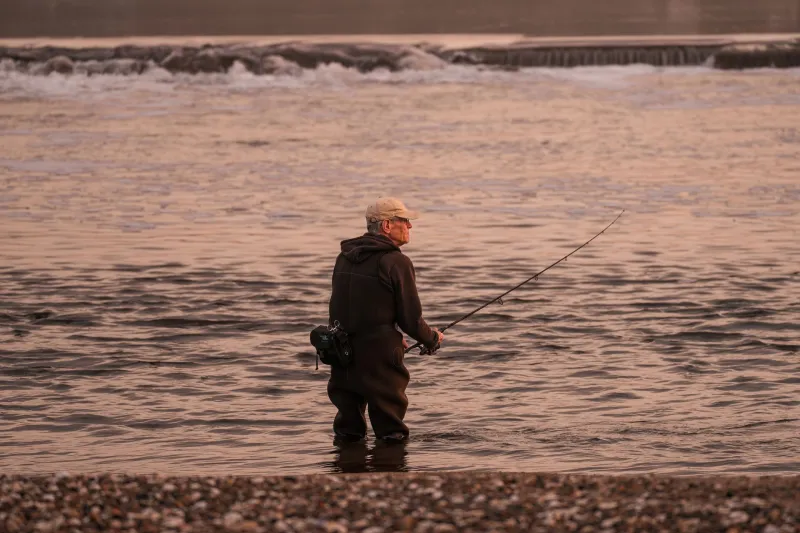
Fishing: Recreational fishing has made a genuine comeback throughout the Hudson Valley. Striped bass, American shad, largemouth bass, and catfish are all pulling anglers back to the banks. Current state health advisories still recommend limiting consumption of certain species — particularly striped bass from the upper river and American eel — due to residual PCB contamination. The New York State Department of Health publishes updated fish consumption advisories each year, and it's worth reading them before you fire up the grill.
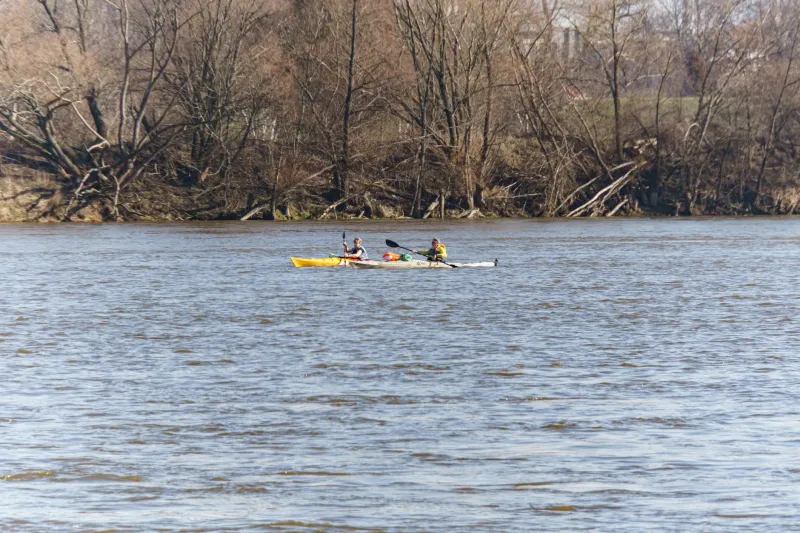
Paddling and Water Sports: Kayaking, canoeing, stand-up paddleboarding, and sailing have absolutely exploded on the Hudson over the past decade, and for good reason. Recreational paddling doesn't carry the same exposure concerns as swimming or eating fish, and the river's scenery is legitimately world-class. Launch sites have multiplied dramatically, with public access points now dotting both banks from Albany to the Battery.
The River Isn't Done Yet
Anyone who tells you the Hudson is completely healed is getting ahead of the science. PCB contamination in fish tissue, while declining, remains elevated in certain species and sections. Combined sewer infrastructure in older cities still poses water quality risks after storms. And climate change is introducing new pressures — warmer water temperatures, altered flow patterns, and shifting species dynamics that scientists are only beginning to understand.
But here's what's also true: the trajectory is unmistakably positive. The work of scientists, activists, lawyers, and ordinary river lovers over the past 50-plus years has pulled the Hudson back from the edge. The communities along its banks are reclaiming something they thought they'd lost for good.
"I've been on this river my whole life," says a retired fisherman from Poughkeepsie who has fished the Hudson for over 40 years. "I watched it get bad, and I watched it start to come back. It's not perfect. But when I see young families out on the water now — kayaks, fishing poles, kids swimming — that means something. That's what we were fighting for."
The Hudson isn't asking for perfection. It's asking for your attention, your respect, and maybe a Saturday morning on the water. That seems like a fair trade.
For current fish consumption advisories, visit the New York State Department of Health website. For real-time water quality data at swim sites, check Riverkeeper's Hudson River Water Quality Program at riverkeeper.org.