The River Was Always There. Getting to It Wasn't.
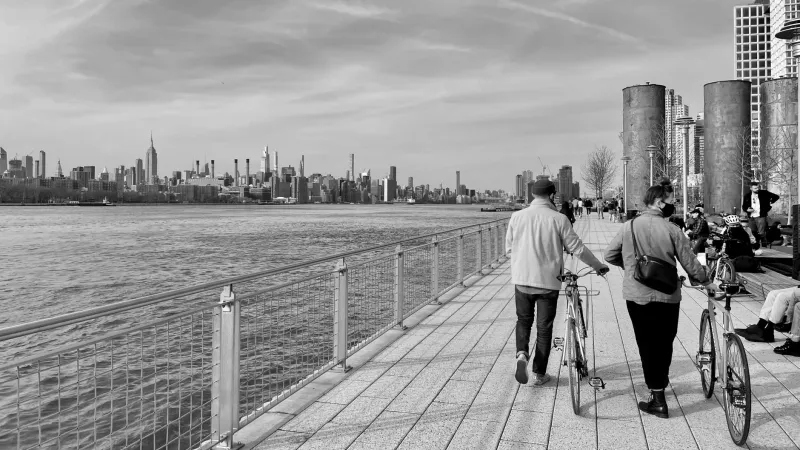
Stand at the edge of Yonkers' Buena Vista neighborhood on a clear afternoon and you can watch tugboats push north toward the Tappan Zee, the light hitting the water in that particular way that makes you feel like everything is going to be fine. It's a beautiful view. For most of the 20th century, though, that's all it was — a view. The actual riverbank? Inaccessible. Locked behind decades of industrial infrastructure, crumbling rail corridors, and a near-total absence of public investment.
Yonkers is far from alone. Stretch your gaze up and down the Hudson and you'll find neighborhood after neighborhood where the river has been physically present but practically unreachable — especially in lower-income communities of color where waterfront access was never really part of the planning conversation to begin with.
That story is changing. Slowly, imperfectly, but genuinely.
A Wall With a River Behind It
The Hudson Valley's relationship with its waterfront has always been complicated. The same industrial boom that made cities like Yonkers, Newburgh, and Kingston economically vital also turned the riverbank into a working zone — rail yards, factories, oil terminals, and shipping infrastructure that prioritized commerce over community. When that economy collapsed, it left behind contaminated soil, crumbling infrastructure, and a physical and psychological barrier between neighborhoods and their river.
In many of those neighborhoods, residents were predominantly Black, Latino, and working-class. The lack of access wasn't always intentional in the conspiratorial sense, but the pattern was consistent enough to be undeniable: wealthier, whiter communities tended to have parks, promenades, and boat launches. Everyone else got the back side of a freight rail line.
"People would tell me the river was dirty, that it wasn't for them, that it was dangerous," says a longtime community organizer in Newburgh who has spent years pushing for waterfront access in the city's South Street corridor. "But when you dug into it, a lot of that narrative came from the fact that nobody had ever been given a reason to think of it differently. Nobody had ever been given a way to get there."
The Shift: Activism Meets Policy
The turning point in many communities didn't come from a city council vote or a developer's press release. It came from residents — often working through neighborhood associations, environmental justice groups, and local nonprofits — demanding that waterfront revitalization plans actually include the people who lived nearby.
In Newburgh, advocates pushed back hard against development proposals that would have brought luxury condos to the waterfront without guaranteeing meaningful public access. The result, after years of organizing and negotiation, was a framework that required public open space as a condition of any major development along the riverbank. It's not a perfect solution — debates about displacement and gentrification are very much ongoing — but it was a meaningful shift in who got a seat at the table.
Further north, in the city of Kingston, the Rondout Creek waterfront has undergone a remarkable transformation over the past decade, driven in part by community land trust models and investment from the Hudson River Valley Greenway. New public piers, fishing access points, and waterfront trails have made the creek genuinely usable for residents who previously had little reason to venture down there.
State-level policy has played a role too. The Hudson River Estuary Program, run through the New York State Department of Environmental Conservation, has directed funding specifically toward public access projects in historically underserved communities — boat launches, fishing piers, waterfront parks — that might never have gotten built through municipal budgets alone.
What "Access" Actually Means
It's worth pausing on that word: access. Because cracking open a chain-link fence and calling it a public waterfront isn't really access, at least not in any meaningful sense.
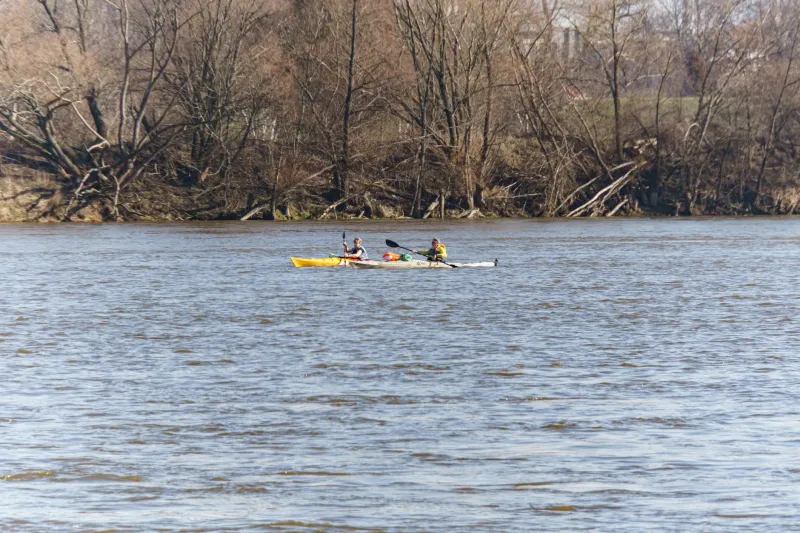
Real access, advocates say, means safe and maintained pathways. It means amenities — bathrooms, lighting, seating — that signal to residents that this space is for them. It means programming: fishing clinics, kayak rentals, naturalist walks, community events that create a reason to show up. And it means culturally relevant engagement, not a one-size-fits-all approach that assumes everyone interacts with the outdoors the same way.
Organizations like Groundwork Hudson Valley and the Hudson River Sloop Clearwater have been doing this kind of community-embedded work for years, running youth programs and environmental education initiatives specifically in neighborhoods that have historically been disconnected from the river. The results are hard to quantify but easy to see — kids who grew up thinking the Hudson was someone else's river showing up to fish, paddle, and explore.
"Once you get a kid out on that water, something shifts," says a youth program coordinator who runs summer kayaking sessions out of a newly opened access point in the South Bronx, just a few miles from where the Hudson meets the Harlem River. "They stop seeing it as this background thing and start seeing it as theirs. That's when you start to get the next generation of people who actually care about keeping it clean."
The Ripple Effects Are Real
The public health case for waterfront access is increasingly well-documented. Green and blue spaces — parks, waterfronts, natural areas — are associated with lower rates of stress, better mental health outcomes, and increased physical activity, particularly in dense urban environments. For communities that have long dealt with higher rates of chronic illness and limited access to recreational infrastructure, a walkable, usable waterfront isn't a luxury. It's a health resource.
There's also a neighborhood identity dimension that's harder to measure but just as real. In communities where the river was something to be ashamed of — polluted, inaccessible, associated with industrial decline — reclaiming the waterfront changes the story people tell about where they live. It becomes a source of pride, a gathering place, a reason to stay.
None of this is to say the work is done. Displacement pressure remains intense in waterfront-adjacent neighborhoods throughout the valley. Environmental contamination at former industrial sites is still a barrier to access in some areas. And the funding required to maintain and program public waterfront spaces over the long term is never guaranteed.
Still Hooked on What's Possible
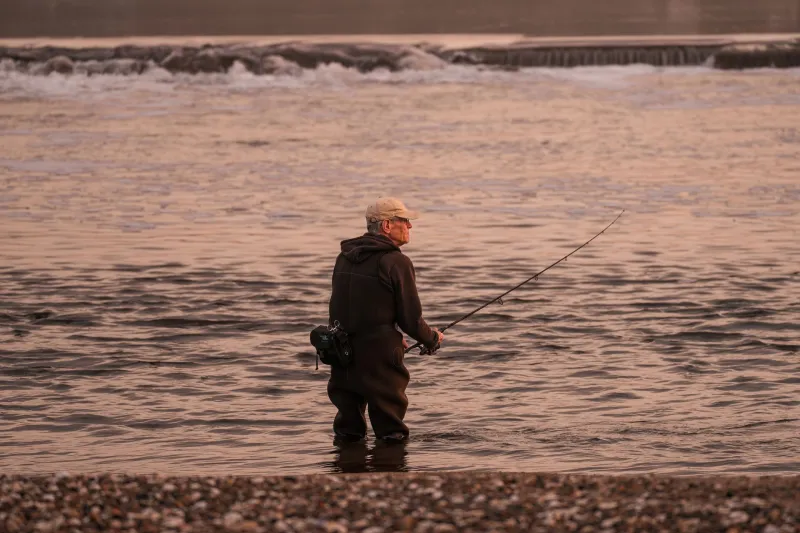
But spend any time talking to the people doing this work — the organizers, the city planners who actually get it, the kids pulling their first striped bass out of a newly accessible stretch of shoreline — and it's hard not to feel like something real is happening.
The Hudson has come back from worse. It survived decades of industrial pollution severe enough that swimming in it was genuinely dangerous. It survived being treated as a dumping ground by the very communities that lined its banks. The river is resilient. Turns out, so are the people who live beside it.
The wall between neighborhoods and their waterfront is coming down, piece by piece. And on the other side of it? The same river that's always been there, waiting.