Off the Beaten Current: A Paddler's Guide to the Hudson's Secret Side Channels
Ask most people what comes to mind when they picture kayaking the Hudson River, and you'll probably hear something about wide-open water, container ships sliding past in the distance, and maybe a stunning view of the Catskills if the weather cooperates. And yeah, that version of the Hudson is absolutely worth your time.
But there's another river hiding behind that postcard image — one made up of quiet backwaters, overgrown side channels, and tucked-away tributaries where the only sounds are herons landing and frogs doing their thing. These are the spots the weekend crowds don't find. And honestly? That's kind of the whole point.
We talked to local paddlers, naturalists, and a few people who've spent more hours on the water than they probably want to admit, and they helped us piece together this guide to the Hudson's most rewarding off-the-beaten-path routes. Whether you're a seasoned kayaker looking for a new challenge or someone just starting to explore the river beyond the launch ramp, there's something here for you.
Why Skip the Main Channel?
Let's be real — the main Hudson is a working river. Freight barges, tour boats, and weekend powerboaters all share that water, and while it's manageable with experience, it can feel overwhelming, especially for newer paddlers. The wake alone from a passing barge can catch you off guard if you're not used to it.
The side channels and tributary mouths change all of that. Protected from heavy traffic, these spots tend to have calmer water, richer vegetation, and wildlife that's simply not going to show up in the middle of the main stem. Think nesting ospreys, snapping turtles sunning on half-submerged logs, and the occasional mink slipping through the reeds. It's a different kind of river experience — slower, quieter, and in a lot of ways, more rewarding.
The Tivoli Bays: A Paddler's Paradise
If you only hit one spot on this list, make it the Tivoli Bays, located just north of Rhinebeck. This freshwater tidal wetland complex — one of the largest remaining on the Hudson — is a genuine hidden gem. The North and South Bays are connected by a network of channels that wind through cattail marshes and open water pockets, and paddling through them at low tide feels like navigating a living maze.
Local kayaker Dana Whitfield, who's been exploring Tivoli for over a decade, describes it this way: "The first time I went in there, I got completely turned around. But then I stopped trying to navigate and just started paying attention to what was around me. That's when I really fell in love with it."
The bays are managed as part of the Hudson River National Estuarine Research Reserve, so they're protected — which means the wildlife viewing is consistently excellent. Great blue herons are practically a given. In fall, migratory ducks move through in impressive numbers. Bring binoculars.
Practical tip: Launch from the public access area off Route 9G in Tivoli. Paddle during a rising tide for easier movement through the shallower channels, and always check water levels before you go.
Stockport Creek: A Creek Run Worth the Detour
Just south of Hudson, New York, Stockport Creek flows into the river through a stretch of floodplain forest that feels almost prehistoric. The lower section of the creek is navigable by kayak when water levels are right, and the mouth opens into a protected cove that buffers you from most of the main channel's wake.
Paddlers who know this spot tend to be a little secretive about it — understandably so. The birdlife along the wooded banks is outstanding, and the combination of moving creek water and tidal influence creates a dynamic environment that changes noticeably with the seasons. In spring, the forest floor floods and you can paddle directly among the trees. It's surreal in the best possible way.
Practical tip: Water levels matter a lot here. After heavy rain, the current can be stronger than it looks. If you're new to creek paddling, go with someone who knows the area, or at minimum, scout the mouth from shore before committing.
Constitution Marsh: Where the River Gets Quiet
Sitting just south of Cold Spring on the east bank, Constitution Marsh Audubon Center and Sanctuary is one of those places that stops you mid-stroke. The marsh is accessible by kayak from a launch site on Indian Brook Road, and once you're inside the protected interior, it genuinely feels like a different world.
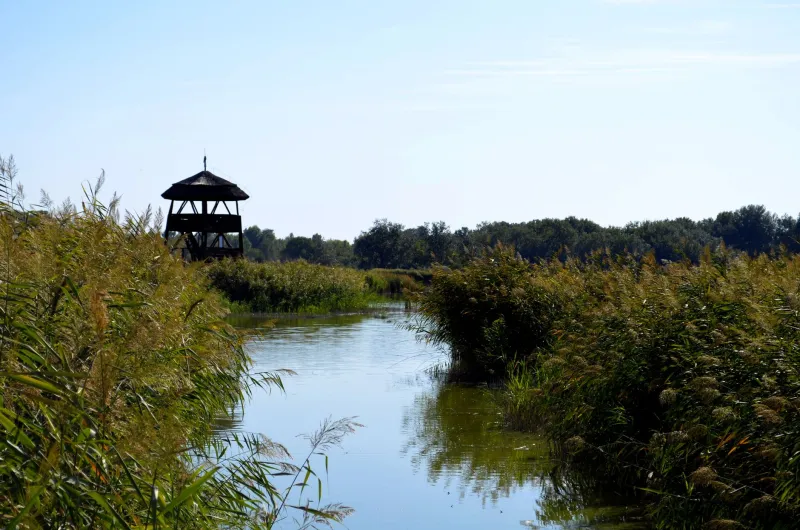
The channels that cut through the marsh are narrow and winding, and the vegetation closes in on both sides in a way that's both a little disorienting and completely magical. Ospreys nest here. So do red-winged blackbirds, marsh wrens, and a rotating cast of migratory shorebirds depending on the time of year.
Mike Delgado, a Cold Spring local who paddles Constitution Marsh several times a month, says the spot never gets old. "Every time I go in there, I see something different. Once it was a bald eagle just sitting in a dead tree about twenty feet away. Didn't move for five minutes. That doesn't happen out on the main river."
Practical tip: This is a sanctuary, so stay on designated waterways and keep noise to a minimum. Respect the nesting areas, especially in spring. Low tide can make some channels impassable, so timing is everything.
Safety Considerations: Don't Skip This Part
Exploring side channels and backwaters is genuinely fun, but it comes with its own set of considerations that are different from open-water paddling.
- Tides matter more than you think. The Hudson is tidal as far north as Troy, and that tidal influence extends into most of the tributaries and bays along the river. A channel that's perfectly navigable at high tide can become a mudflat two hours later. Always check tide charts before you launch.
- Tell someone where you're going. This is basic stuff, but it's worth repeating. Side channels can be disorienting, especially if you're new to an area. Share your float plan.
- Bring navigation tools. A waterproof map or a downloaded offline chart on your phone goes a long way. Cell service is spotty in some of these locations.
- Wear your PFD. Always. No exceptions, no matter how calm the water looks.
- Watch for submerged hazards. Fallen trees, old dock pilings, and submerged debris are more common in backwater areas than in the main channel. Slow down and stay alert.
The Best Time to Go
Honestly, there's no bad season for exploring the Hudson's side channels — each one brings something different. Spring offers flooding forests and explosive bird activity. Summer is lush and warm, though some channels see more recreational boat traffic. Fall is arguably the most visually stunning, with foliage reflecting off calm water. Winter, for the hardy paddler, offers a stripped-down, skeletal beauty that's hard to describe until you've experienced it.
Early mornings are almost always the best time of day, regardless of season. The light is better, the wildlife is more active, and you're less likely to share the water with anyone else.
Go Find Your Own
Here's the thing about the Hudson's hidden channels: the ones we've listed here are just a starting point. The river has dozens of spots like these — small creek mouths, protected coves, marshy backwaters — that reward the paddlers willing to poke around and see what's there.
Get a good topo map. Talk to people at your local outfitter. Explore on a slow weekday when the crowds are elsewhere. The Hudson has been revealing itself to curious paddlers for generations, and it's not done yet.
Your next favorite spot is probably closer than you think.