The Men and Women Who Read the River for a Living
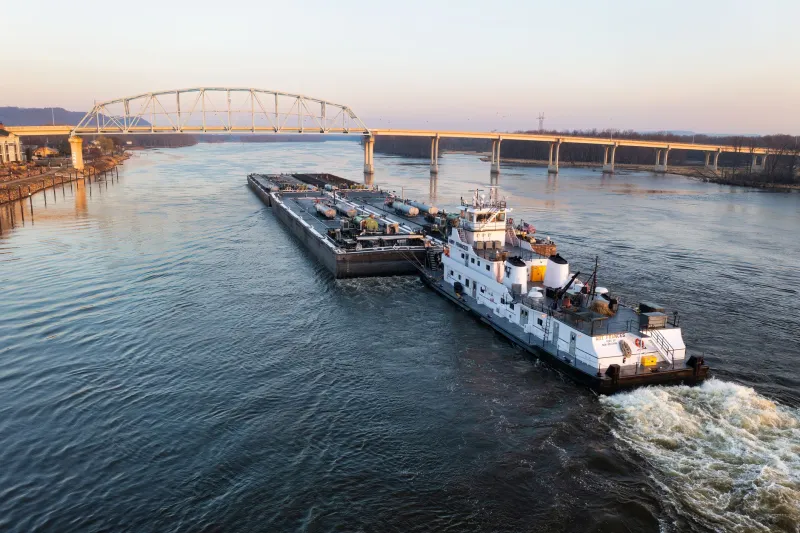
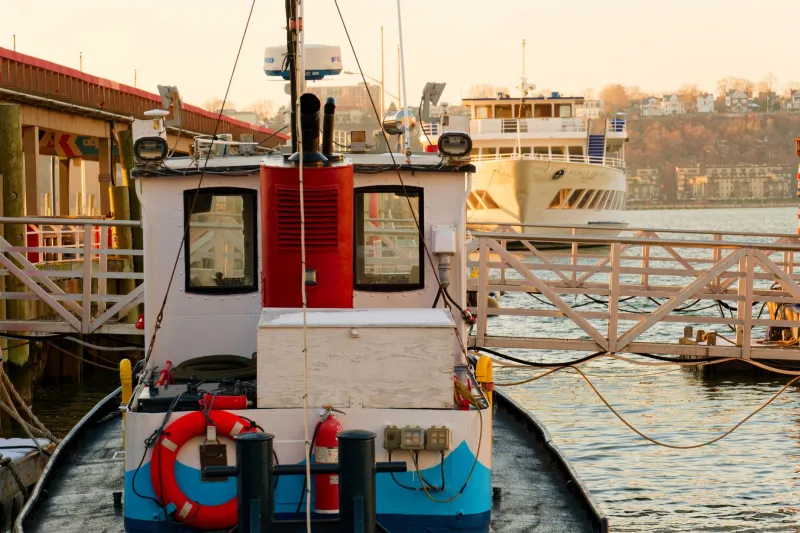
It's 4:30 in the morning somewhere between Kingston and Newburgh, and Captain Dennis Farrell is watching the water the way a chess player watches the board — looking three moves ahead. The Hudson is running fast tonight, a strong ebb current pushing south, and his tug is nudging a loaded barge that weighs more than most apartment buildings. He doesn't need a weather app to tell him what's happening. He can feel it.
"The river talks to you," Farrell says, not looking up from the wheelhouse window. "You just have to learn the language."
Farrell is one of a small, tight-knit fraternity of commercial tugboat captains who work the Hudson day and night, year-round, in conditions that would send most people straight back to shore. They haul fuel, construction materials, and bulk cargo between New York Harbor and ports stretching north toward Albany. They're not particularly famous. You won't see them on a tourism poster. But these working watermen might know the Hudson River better than almost anyone alive — and that knowledge is quietly becoming one of the river's most valuable conservation assets.
A River Within the River
Ask most people what they know about the Hudson and you'll hear about the Catskills backdrop, the fall foliage, maybe the striped bass fishing. What they don't picture is a working maritime corridor — a commercial highway that's been moving goods since the days of Henry Hudson himself. Tugboats and barges are the trucks of this highway, and the captains who pilot them navigate a version of the river that recreational users rarely encounter.
The deep channel, for starters. While kayakers hug the shallows and anglers work the coves, tug captains operate in the river's spine — the federally maintained navigation channel that runs up to 40 feet deep in places. They contend with tidal shifts that can swing water levels by four or five feet in a matter of hours. They track the way ice forms and breaks in winter, how spring snowmelt pushes the current hard enough to fight a fully loaded vessel to a near standstill.
"Every trip is different," says Maria Costello, a second-generation captain based out of Yonkers who grew up watching her father work the same stretch of water. "Same river, different animal every single time."
Skills That Don't Live in a Manual
The knowledge these captains carry isn't the kind you find in a certification course. It's accumulated over years — sometimes decades — of watching, listening, and making judgment calls with significant consequences. Reading a current eddy. Knowing which bridge piers create dangerous backwash at certain water levels. Understanding how a hard north wind will stack water at the river's southern end and complicate a docking approach.
Much of this expertise is passed down the old-fashioned way: from experienced hands to green deckhands who spend their first years absorbing everything they can. Costello remembers her father quizzing her on landmarks — not the scenic ones, but the functional ones. A certain church steeple that lined up with a tricky shoal. A rock formation that poked above the surface only at low tide.
"He used to say the river will teach you if you pay attention," she says. "But it will also punish you fast if you stop."
This generational transmission of river literacy is becoming rarer as the commercial tug industry contracts and younger workers gravitate toward other careers. The captains who remain are, in a sense, living archives of hydrological knowledge — and the river community is starting to recognize that.
Unlikely Allies in the Restoration Story
For most of the 20th century, commercial shipping and environmental health weren't exactly in the same conversation. Heavy industry along the Hudson's banks — PCB contamination from General Electric's plants being the most notorious example — cast a long shadow over the river's working economy. The relationship between commerce and conservation was, to put it gently, complicated.
But something has shifted. As the Hudson's cleanup has progressed and ecological awareness has grown, a number of tug operators have become active participants in the river's recovery. Some captains now report unusual observations — unexpected fish congregations, debris fields, water discoloration — to organizations like Riverkeeper, the watchdog group that patrols the Hudson for pollution violations. Their routes put them in places and at hours when no environmental monitor is watching.
"We're out there when nobody else is," Farrell says. "If something's wrong with the river, we're probably going to see it first."
Several operators have partnered informally with researchers at institutions like the Cary Institute of Ecosystem Studies, sharing observations about sediment movement and water clarity that help scientists build a more complete picture of the river's health. A tug captain who's noticed that a particular stretch runs muddy after heavy rain — consistently, over fifteen years — is providing data that no single research expedition could replicate.
Currents, Cargo, and Ecological Consequences
It's worth understanding that tug operations don't just observe the river — they interact with it in meaningful ways. The wake from a large vessel can affect shoreline erosion. Prop wash in shallow areas stirs up bottom sediment. Anchoring practices matter. How a captain manages speed in sensitive areas — near spawning grounds, near wetland edges — has real ecological consequences.
The industry has adapted. Modern operators are generally more attuned to these impacts than their predecessors were, and some companies have voluntarily adopted practices that go beyond regulatory minimums — slowing down near known spawning areas during critical windows, for example, or adjusting routes to avoid sensitive shallows during low water.
"We're not conservationists by trade," Costello says with a slight laugh. "But this is our river too. We want it healthy. It's not complicated."
A Community That Rarely Gets the Spotlight
Spend any time at a working Hudson marina — the kind with diesel smell in the air and coffee in a styrofoam cup — and you start to feel the texture of this community. The captains and deckhands who cycle through are a mix of lifers and relative newcomers, many of them from river towns up and down the valley. There are families where three generations have worked the water. There are also people who came to the river as adults and never left.
What unites them is a relationship with the Hudson that's fundamentally different from the recreational or tourist experience. They don't visit the river. They work it, live by it, depend on it. That creates a kind of investment — practical and emotional — that's hard to manufacture.
As the Hudson continues its long recovery and the communities along its banks reimagine their relationship with the waterfront, these working watermen represent a thread of continuity that stretches back generations. They're not the loudest voices in the conservation conversation, and they're rarely the ones at the podium at a river summit. But out there in the dark, somewhere between Poughkeepsie and the Tappan Zee, reading the current and talking to the river — they're doing the work.
And the river, for its part, keeps answering.