Young, Muddy, and Determined: Meet the Kids Who Are Falling in Love With the Hudson River — and Fighting to Protect It
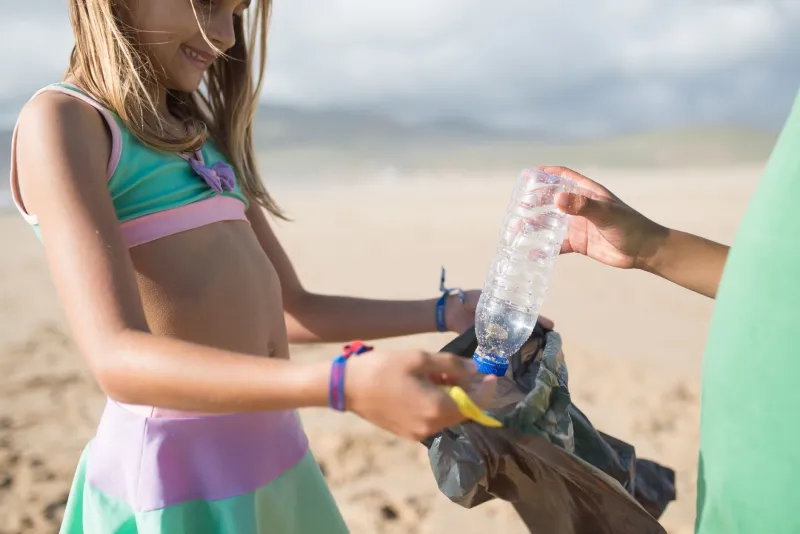
Somewhere along the shoreline south of Poughkeepsie, a fourteen-year-old named Marcus is elbow-deep in river mud, cataloging macroinvertebrates with the focused intensity of someone who genuinely wants to know what lives in this water. He's not doing it for extra credit. He chose to be here on a Saturday.
"Once you actually touch the river," he says, pausing to hold up a small aquatic worm for inspection, "you can't just go back to not caring about it."
That sentence — simple, a little gross, completely earnest — might be the most accurate summary of what's happening along the Hudson River right now. A generation of young people who grew up largely disconnected from the natural world around them is finding its way back to the water. And the organizations, educators, and community leaders helping make that happen are building something that could outlast any single cleanup campaign or legislative win.
Why Hands-On Beats Hands-Off Every Time
Environmental education has been around for decades, but the version that actually sticks looks different from a classroom lecture about climate change. Ask any program director working with youth along the Hudson and they'll tell you the same thing: the moment a kid sets foot on a living riverbank, something shifts.
River Project educators who work with schools in the lower Hudson region have seen it consistently. Students who might be checked out in a traditional classroom setting become genuinely engaged when the lesson is happening in the field. There's no substitute for holding a water quality test kit, watching the color change, and understanding that the number you're reading reflects the actual health of an ecosystem you can see and smell and feel beneath your feet.
Scientific literacy is part of it. But so is something harder to quantify — a sense of ownership. When young people participate in collecting real data that contributes to real research, they stop being passive recipients of information and start thinking of themselves as people with something to contribute.
Grassroots Programs Filling the Gaps Schools Can't
For all the promise of in-school environmental education, the reality is that curriculum space is tight and field trips are expensive. That's where community-based organizations have stepped up in a significant way.
Groups like Riverkeeper, Hudson River Sloop Clearwater, and dozens of smaller local nonprofits have developed youth-focused programming that supplements what schools can offer — and often goes much further. Weekend river cleanups that double as ecology lessons. Apprentice programs that put teenagers alongside working scientists. Student-led restoration projects that plant native vegetation, monitor fish populations, and track water quality over multiple seasons.
One standout model is the kind of multi-year engagement that lets young people see change over time. A student who helps plant native grasses along an eroded bank in seventh grade and then returns two years later to see those plants thriving — that's a lesson no worksheet can deliver. It's the difference between learning about cause and effect and actually living it.
Community gardens near riverfront access points in cities like Yonkers and Newburgh are also becoming unlikely gateways to river stewardship. When urban youth connect the concept of healthy soil to healthy waterways, the river stops being an abstract environmental concern and becomes something tied to their own neighborhood, their own backyard.
Student Leaders Who Are Already Running the Show
What's striking about the most effective programs isn't just that they involve young people — it's that they increasingly trust them to lead.
In several Hudson Valley school districts, student environmental clubs have evolved from bake-sale-and-poster-board operations into organizations that present at town hall meetings, collaborate with local government agencies, and advocate for specific policy changes. These aren't kids being asked to perform environmental concern for adults. They're developing real skills in public speaking, data interpretation, coalition building, and civic engagement.
Jamila, a seventeen-year-old from the Kingston area who has been involved with a regional watershed education program since she was twelve, recently co-presented findings on microplastic contamination to a local environmental board. "I was nervous," she admits. "But I knew the data. I'd collected it myself. That made it easier to talk about."
That confidence — rooted in actual knowledge and direct experience — is exactly what educators and conservation advocates say they're trying to cultivate. Environmental activism without scientific grounding can only go so far. But young people who understand the systems they're trying to protect, who can speak to policymakers with specificity and credibility, are a genuinely powerful force.
The River as Classroom, Playground, and Purpose
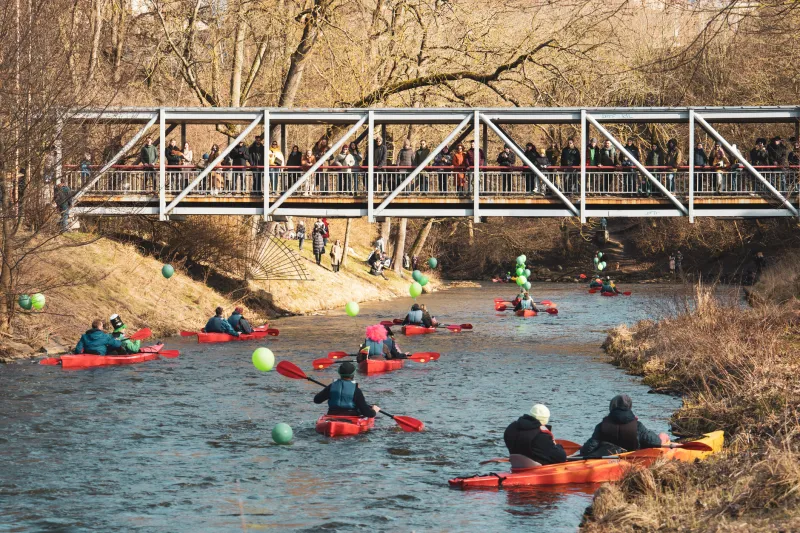
One of the most compelling aspects of Hudson River youth programs is the way they blur the line between education and recreation. Kayaking trips that incorporate water quality monitoring. Fishing clinics that teach participants to identify native versus invasive species. Photography workshops focused on documenting shoreline changes over time.
This matters because it reframes the river not just as an environmental concern but as a place worth caring about because it's genuinely worth being in. Kids who fish the Hudson, paddle its tributaries, and watch the sun drop behind the Catskills from a kayak aren't just learning ecological facts — they're forming memories and attachments that tend to last.
Research on environmental identity consistently shows that early positive experiences in natural settings are among the strongest predictors of adult conservation behavior. The Hudson Valley, with its mix of urban access points, protected shoreline, and remarkably diverse ecosystems, is an almost ideal setting for exactly this kind of formative engagement.
What It Actually Takes to Make This Work
None of this happens automatically, and the people doing the work are quick to point out the structural challenges. Transportation remains a major barrier for youth in lower-income urban communities — a riverbank that's two miles away might as well be twenty if there's no reliable way to get there. Program funding is perpetually uncertain. And the competition for young people's time and attention is real.
What works, program leaders say, is consistency, genuine relationships, and meeting young people where they are rather than where adults want them to be. Programs that show up, follow through, and adapt to the actual interests and needs of their participants build the kind of trust that turns a one-time field trip into a years-long commitment.
It also helps when the river itself delivers. And lately, it has been. A Hudson that's cleaner than it's been in over a century — with returning fish populations, improving water quality, and expanding public access — is a Hudson that makes it easier to fall in love with stewardship. When conservation actually works, it becomes its own best recruitment tool.
The Long Game
Marcus eventually sets his macroinvertebrate sample back in the water and wipes his hands on his jeans. He's got opinions about stormwater runoff, about what he wants to study in college, about which local officials have been responsive to student environmental concerns and which ones haven't.
He's fourteen. And he's already playing the long game.
That's what the best Hudson River youth programs are building — not just a generation of kids who know what a watershed is, but one that understands why it matters and has the skills, the confidence, and the genuine love of this river to do something about it.
The Hudson has been through a lot. It's still coming back. And the people who are going to carry that work forward are already out here, muddy boots and all, getting started.